Velvet guide
Best Fabric for Sherwani: Velvet, Silk, Brocade and Jacquard
A sherwani has to hold its shape. The body is fitted, the skirt below the waist has to flare cleanly, and the whole garment has to survive several hours of wear in a crowded hall. That rules out anything too fluid and anything too stiff. Velvet, silk, brocade and jacquard all clear the bar, but they behave differently once cut, and they suit different seasons and different kinds of embroidery. Here is how they compare in practice.
Velvet: the winter default
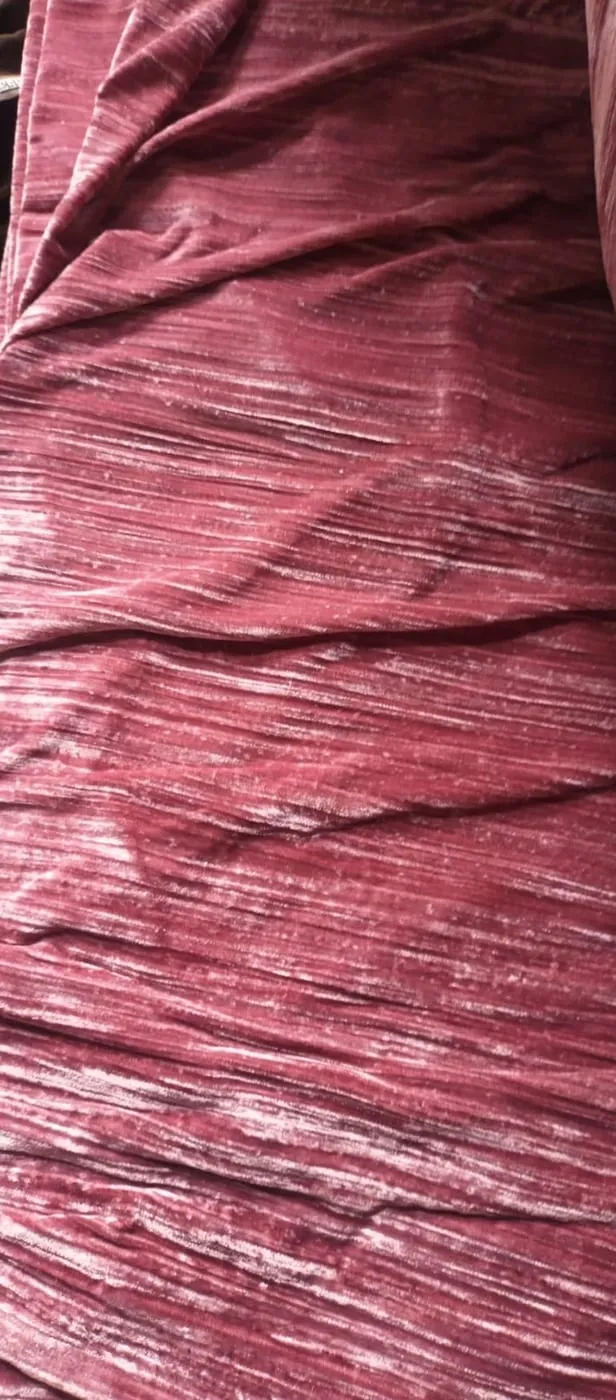
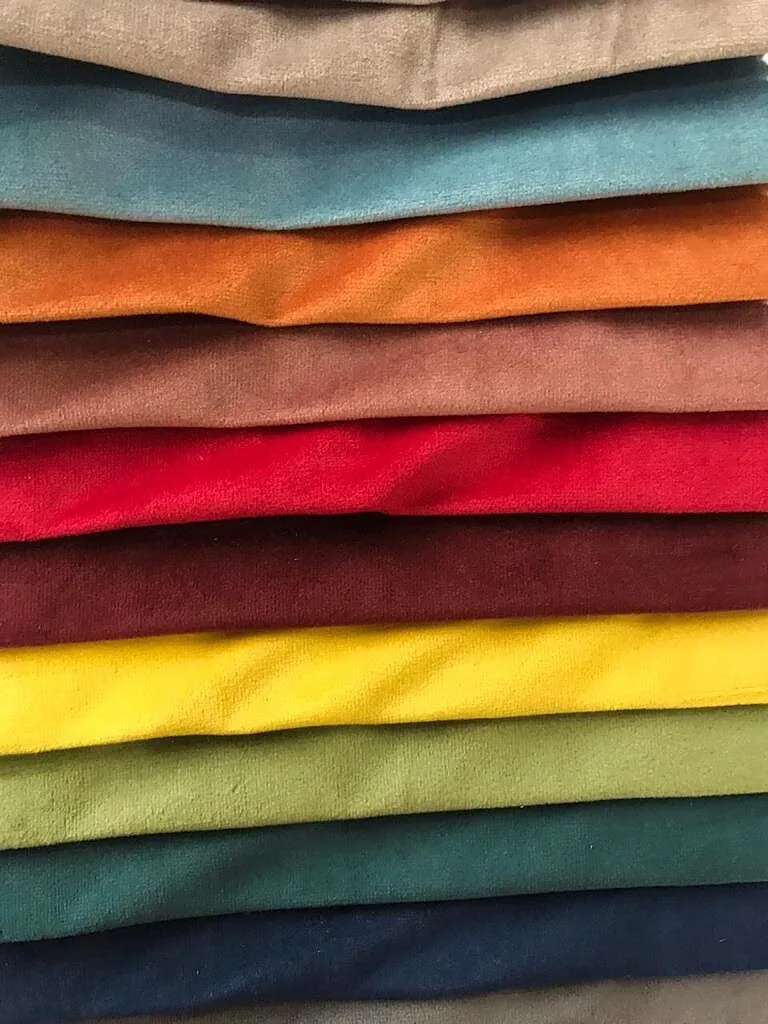
Velvet gives the deepest colour of the four and reads best under evening light, which is why it dominates winter weddings. It has weight and body, so the skirt hangs with authority instead of collapsing. The catch is heat: a velvet sherwani is genuinely warm, and wrong for a summer daytime function. Knitted two-way stretch velvet is the version most makers now use, because it gives across the chest and shoulders and recovers, keeping a close fit comfortable through a long day. Embroidered velvet, bought ready-worked from mills like Shailesh Velvet Industries, saves a production step.
Silk: lighter structure
Raw silk and dupion have a dry, crisp hand and a natural slub. They hold a clean, structured silhouette at a fraction of velvet's weight, which makes them the sensible choice for daytime and shoulder-season events. Pure silk creases, and it shows every press mark, so it needs care in transit and a steamer on site. Art silk and polyester-silk blends crease less and cost less, but they breathe less too. Fine silks will not carry heavy hand embroidery on their own — back them with a firm interlining before the work starts.
Brocade and jacquard: pattern woven in
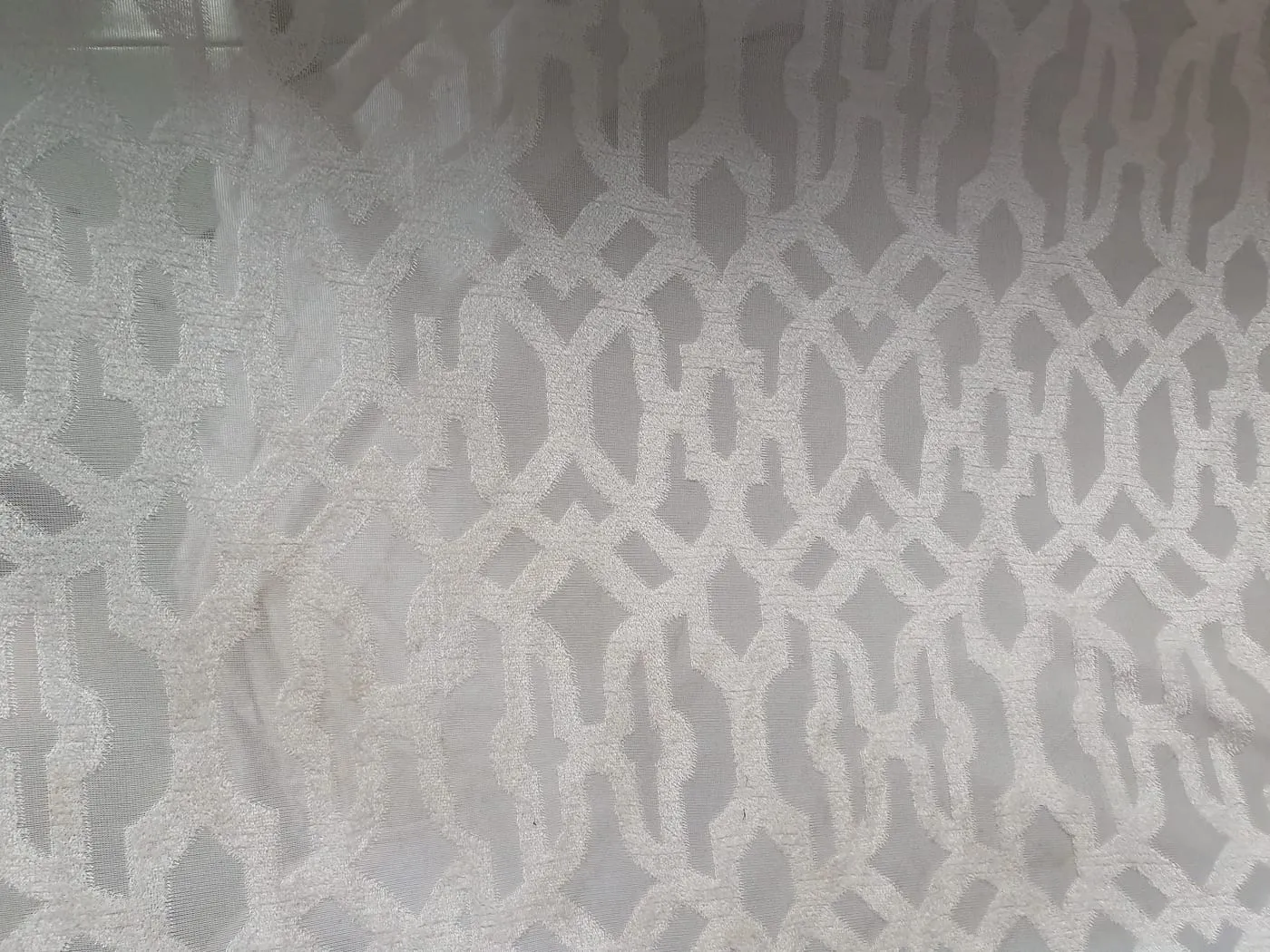
The two terms get used interchangeably but are not the same. Jacquard describes any figured fabric woven on a jacquard loom. Brocade is a jacquard with an extra, supplementary weft — often metallic zari — that raises the pattern off the ground, as in Banarasi work. Brocade is richer and heavier, needs almost no added embroidery, and can be scratchy against skin, so line it properly. Polyester and viscose jacquards are lighter, cheaper, repeat reliably across bulk, and come in far more colours; tone-on-tone self jacquard is the safest modern choice for a plain, well-cut sherwani.
Matching the fabric to season and venue
Winter evening: velvet, or a heavy brocade. Autumn and spring: dupion silk, a mid-weight jacquard, or a lighter velvet. Summer daytime, especially outdoors in India: avoid velvet and heavy zari entirely, and use a light silk or a fine jacquard with a breathable cotton or bemberg lining. Lining choice matters as much as the face fabric here, because a polyester lining under any of these undoes the benefit. Think about the venue's lighting too, since velvet and zari both depend on it and can look flat in daylight.
Which fabric takes embroidery best
Velvet and heavy jacquard have the most stable, supportive ground, so they carry zardozi, dabka and heavy thread work without puckering, and the pile hides stitch holes if a motif has to be reworked. Brocade usually needs no additional work at all. Fine silk needs backing before anything heavy goes on it. One warning for knitted stretch velvet: it distorts under a machine embroidery head unless backed with a stabiliser, and hand-frame tension crushes the pile, so work the panels before cutting and press only on a needle board.
How much fabric, and how to cut it
As a planning figure, a knee-length men's sherwani takes about 3 to 3.5 metres of 44 to 48 inch fabric, or roughly 2.5 to 3 metres at 58 to 60 inches, plus 2.5 to 3 metres of lining and 2 to 2.5 metres for the churidar. Add half a metre or more for a longer or flared cut, a larger size, or a directional fabric. Velvet is directional: every panel must run the same way, which blocks efficient marker interlocking and pushes consumption up. Cut single-ply, and always confirm against your own pattern.
Frequently asked questions
Which fabric is best for a wedding sherwani?
For a winter or evening wedding, velvet — ideally knitted two-way stretch for comfort. For daytime or warmer months, dupion silk or a mid-weight jacquard. Brocade suits grooms who want pattern without added embroidery.
How many metres of fabric does a sherwani need?
Roughly 3 to 3.5 metres at 44 to 48 inches, or 2.5 to 3 metres at 58 to 60 inches, plus lining and churidar fabric. Add extra for velvet, since all panels must run one way.
Is brocade the same as jacquard?
Not quite. Jacquard is any figured fabric woven on a jacquard loom. Brocade is a jacquard carrying an extra supplementary weft, usually metallic zari, which raises the pattern off the ground and adds weight.
Can you use stretch velvet for a sherwani?
Yes, and it is now common. Knitted two-way stretch velvet keeps a fitted sherwani comfortable and is also used for safa. Back it with a stabiliser before machine embroidery, or the design will distort.