Velvet guide
How to Import Velvet Fabric from India
If you buy fabric for a garment line, a furnishing range or a wholesale programme, India is one of the few places you can source almost every velvet construction from a single supplier. The process is straightforward once you know the sequence: pick the quality, approve a sample, fix the shade, then run bulk. This guide sets out how to import velvet fabric from India without the delays that come from unclear specifications.
Why buyers source velvet in India
India has a deep velvet base. Weaving, knitting, dyeing, printing and finishing all sit within a few industrial belts, so a single order can cover woven cotton velvet, knitted stretch velvet and printed velvet without splitting it between countries. Mumbai adds the export side, with a container port and an international airport close to the mills. For buyers, the practical benefit is range and flexibility on colour. Small custom-shade runs that a large mill elsewhere would refuse are normal here, which matters if you sell seasonal colours rather than a fixed catalogue.
Choose the velvet type before you talk price
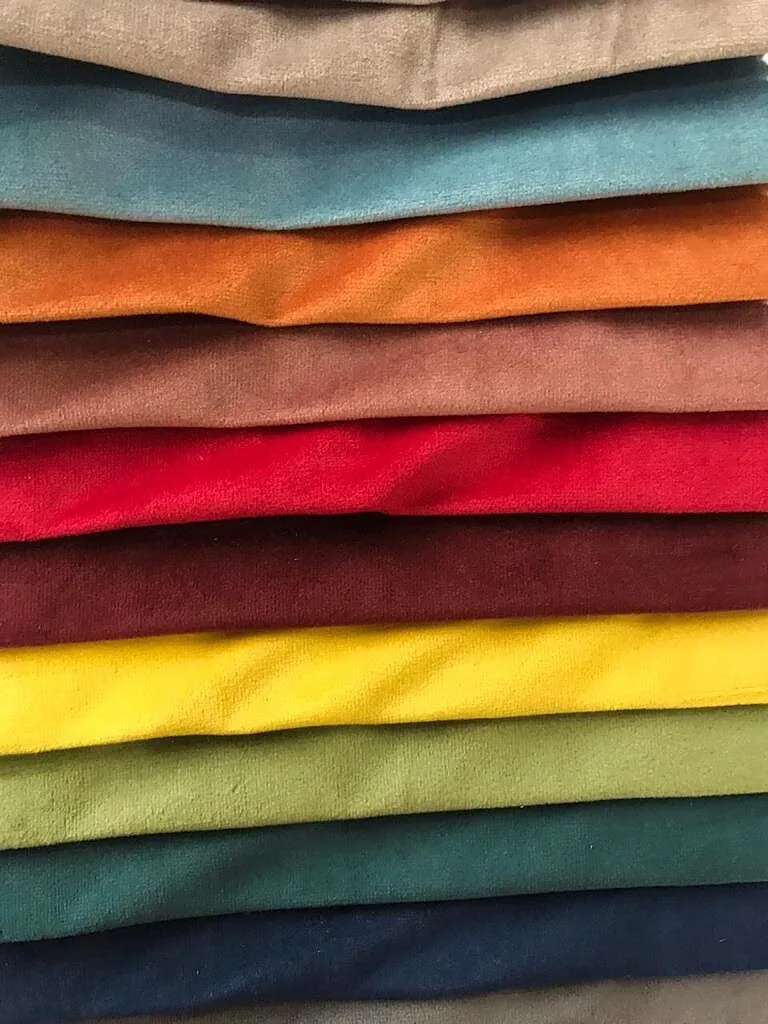
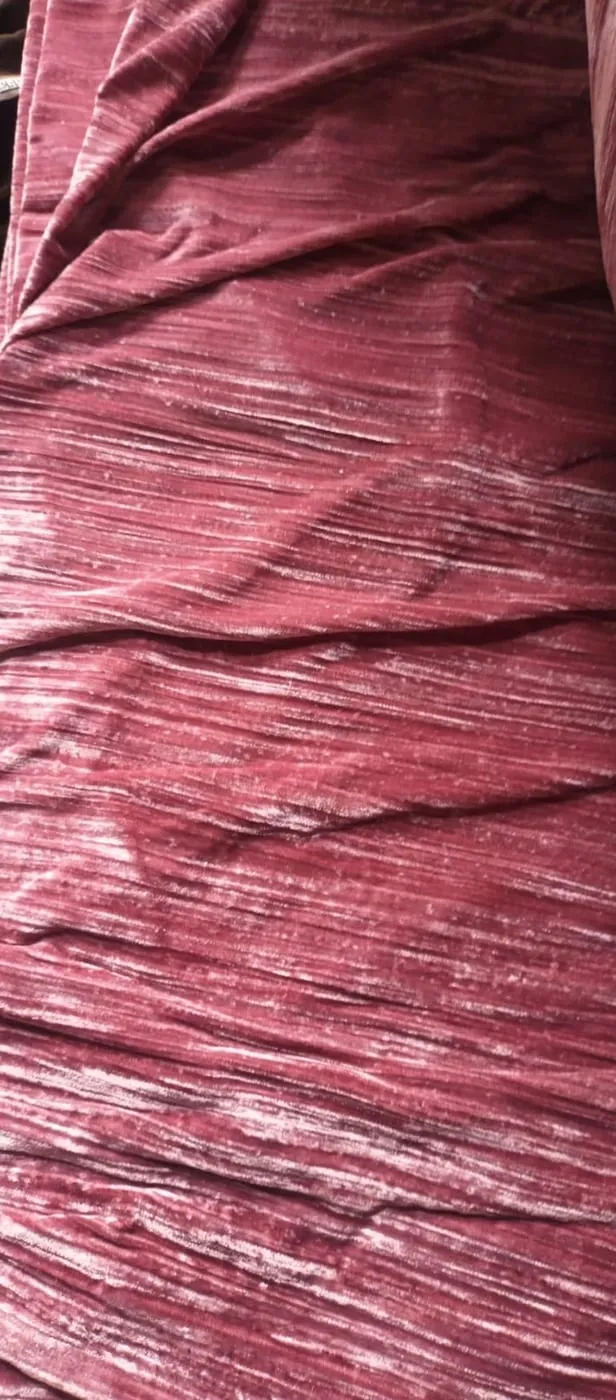
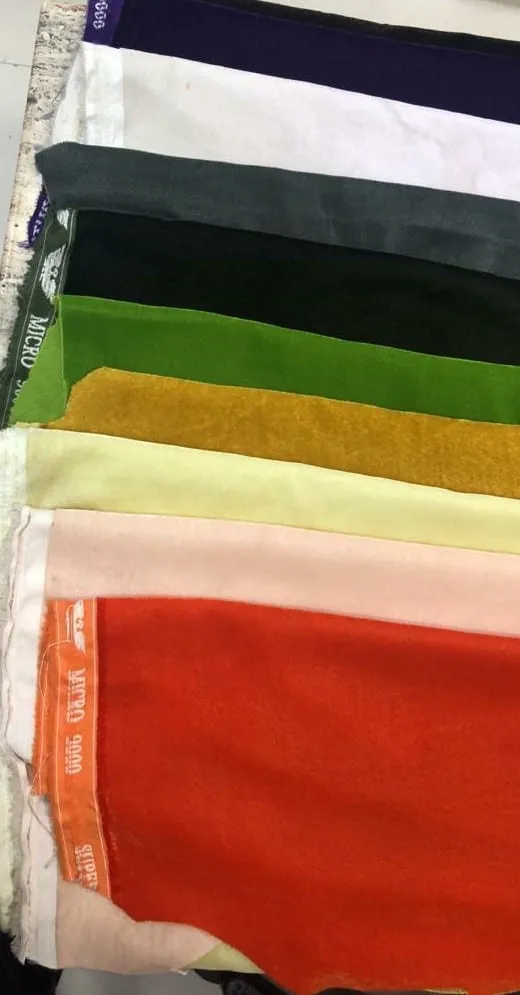
Price comparisons only mean something once the construction is fixed. Woven cotton velvet is heavier, matte and breathable, and suits upholstery and structured garments. Viscose velvet has more sheen and drape. Knitted stretch velvet carries spandex and is cut for body-fitted garments. Micro velvet and flock sit at the harder-wearing, lower-cost end for furnishing and packaging. Brasso is a burnout pattern on a chiffon base, used for scarves and dupattas. Send the end use, the width you need and a swatch if you have one, and the supplier can quote like for like.
MOQ, sampling and shade approval
Minimum order quantity in velvet is rarely a single fixed number. It moves with the quality, the width and whether you want a stock shade or a custom colour, because a dyeing lot has a practical floor. Ask for the MOQ per shade rather than per order; five colours is five lots. Before bulk, expect a swatch or cut length for hand-feel and a lab-dip for colour. Approve both in writing. A signed lab-dip is what the mill matches your bulk against, and it is your reference if a later shipment drifts.
Check quality before the goods leave India
Velvet faults are easier to catch on the roll than in your warehouse. Ask for shade continuity across the whole lot, not just against the lab-dip, since pile fabrics can show side-to-centre and roll-to-roll variation. Check pile lay and direction, because velvet has a nap and your cutting room needs it marked. Ask for crocking and colour-fastness results if the end use is upholstery or light-coloured garments. Photographs of the packed rolls, a roll-length list and a shade card from the actual bulk are all reasonable to request before despatch.
Documents, HSN 6001 and duty
Velvet is a pile fabric and sits under HS heading 6001. The eight-digit line depends on fibre and construction, and your own customs tariff sets the duty. Confirm the code with your broker before the invoice is raised, since a wrong classification is slow to correct at the port. A normal set of papers is the commercial invoice, packing list, bill of lading or air waybill, and a certificate of origin where your authority requires one. If your market restricts azo dyes, put the azo-free requirement on the purchase order rather than assuming it.
Shipping, cost drivers and the usual mistakes
Sea freight out of Nhava Sheva is the default for bulk, while air out of Mumbai suits samples and urgent top-ups. Under a few cubic metres you will normally move LCL, which is cheaper than air but slower door to door. Landed cost is freight plus duty plus local charges, so compare quotes on the same Incoterm, EXW against EXW or CIF against CIF. The usual mistakes are simple: ordering bulk off a photograph, skipping the lab-dip, leaving nap direction unstated, and quoting a width in the wrong unit.
Frequently asked questions
How long does a velvet order from India take?
It depends on the quality, shade and quantity, and on whether the yarn or greige is in hand. Sampling comes first, bulk after approval, then freight. Ask for the lead time to be confirmed in writing on the order.
How do I check that an Indian velvet supplier is genuine?
Ask for the GST registration and IEC, a sample despatched to your address, and photographs of the mill. A supplier who manufactures will answer questions on width, gsm and pile without checking elsewhere first.
Can I buy velvet by the metre or only by the roll?
Both. Bulk usually moves by the than, meaning the full roll, but shorter cut lengths by the metre are possible for sampling and small programmes. Roll lengths vary by quality, so ask for the average.
What payment terms are normal for a first order?
T/T with an advance and the balance against documents is common, and an irrevocable letter of credit is used for larger consignments. Terms are agreed per order; nothing is standard across the trade.