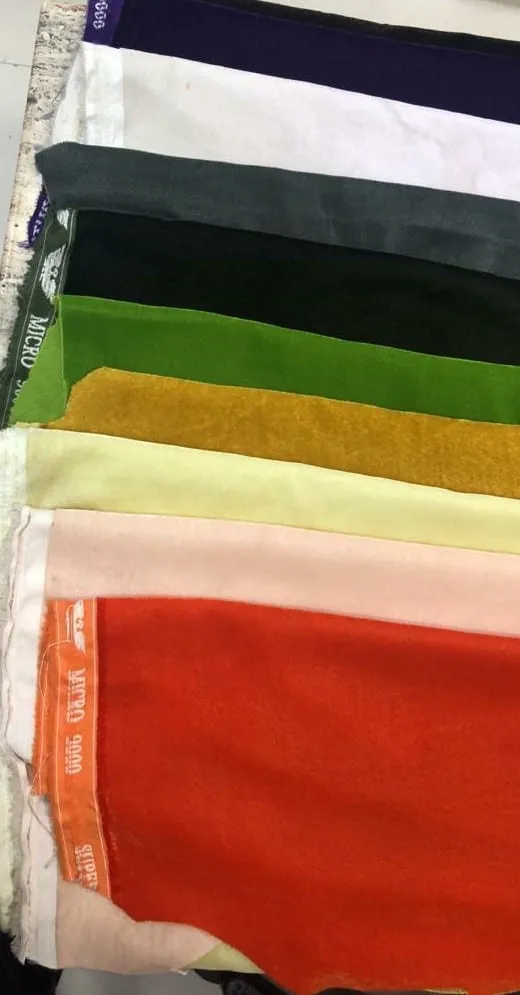
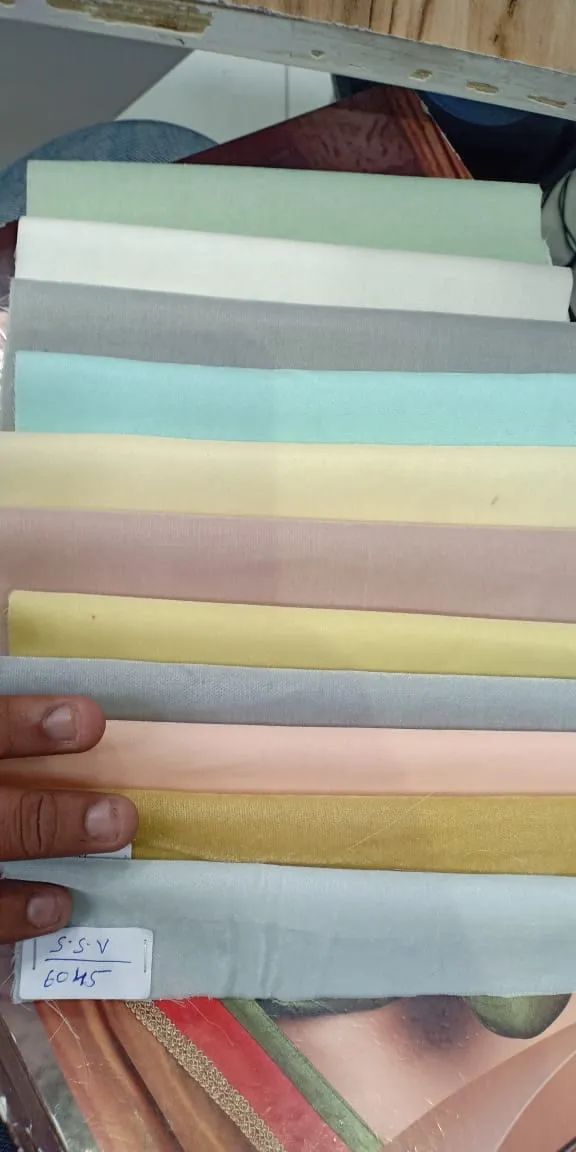
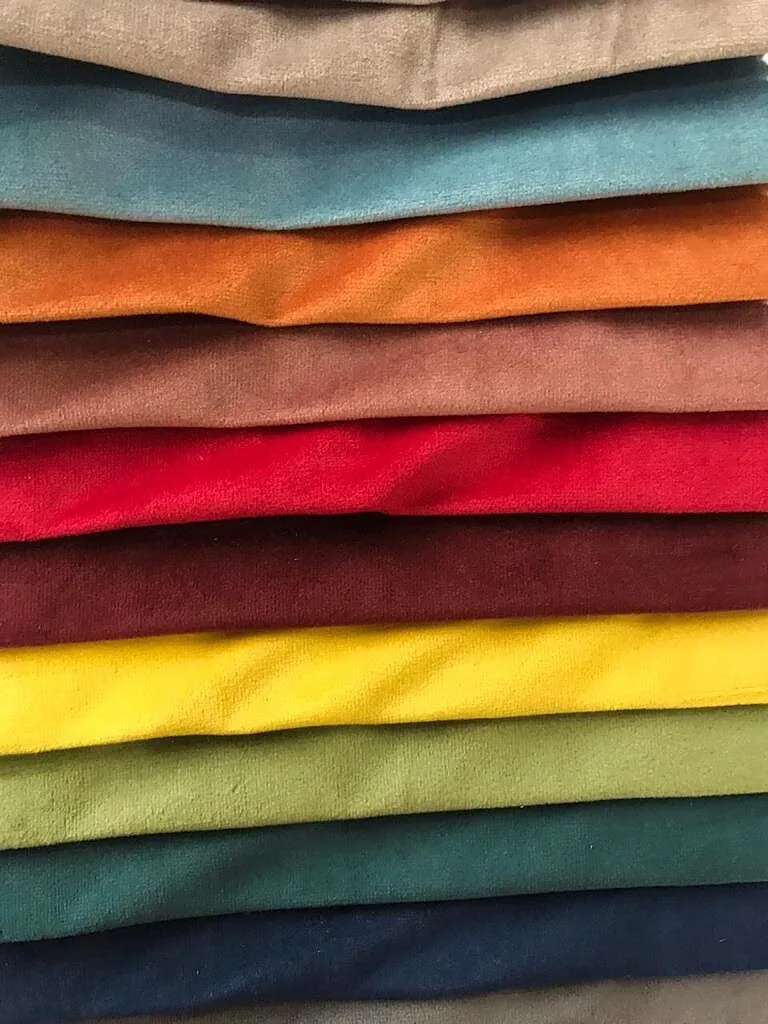
Velvet guide
Best Velvet Fabric for Sofa Upholstery: How to Choose
Velvet on a sofa fails for predictable reasons: the pile flattens, the colour fades along one arm, or a cleaning attempt leaves a ring. All three are avoidable, and none of them are about price. What matters is the fibre, how densely the pile is set, how the fabric is backed, and whether the piece sits in sunlight or in a corridor. This guide runs through the checks in the order a furniture buyer should make them.
Start with the fibre
Polyester, including micro velvet, is the default for seating: it resists abrasion, holds colour, cleans with water-based products and comes in the widest shade range. Cotton velvet gives a deeper, more matte look and good body, but it crushes more readily and fades faster in strong light. Viscose and rayon velvet have the highest sheen and the most fluid drape, and the least resistance to rubbing — they water-mark easily, so keep them to cushions, curtains and decorative panels rather than seat pads. Blends sit in between and are worth asking about.
Pile density and construction
Density does more for a sofa than any other single factor. Press your thumb into the pile and release: a densely tufted velvet springs back, a sparse one keeps the mark. Short, dense pile outperforms long, sparse pile in every seating application, because the fibres support each other instead of bending over. Check the back as well. A woven velvet with a stable backing, or a back-coated fabric, resists seam slippage and holds tension on a tightly upholstered frame, whereas an unbacked knitted velvet can grow and ripple over time.
Weight, GSM and abrasion
Ask for weight in GSM and the width together — a heavy figure at 64 inches is not the same cloth as the same figure at 44. Then ask where the weight sits: in the pile or in the backing. A heavy backing adds stability but not surface life. For abrasion, velvet is tested by rubbing methods such as Martindale or Wyzenbeek, with results banded into domestic, heavy domestic and contract use. Rather than trusting a number in a catalogue, ask for the actual report from an accredited laboratory if the end use is commercial. Flame-retardancy requirements differ by market and must be specified at order stage, not afterwards.
Cleaning, fastness and sunlight
Two fastness properties matter for furniture. Rub fastness, dry and wet, decides whether colour transfers onto clothing — important on dark seats. Light fastness, rated on the blue wool scale, decides how a curtain or a sunlit sofa arm looks after two summers, so anything near a window should be specified for it. Separately, check the cleaning code the supplier assigns: W for water-based cleaners, S for solvent only, WS for either, X for vacuum only. Viscose velvets are commonly S, which limits what a household can safely do to them.
Sofas, curtains and cushions need different things
For sofas, prioritise density, backing and abrasion, and accept that pressure marks and shading are inherent to velvet rather than defects — tell the end customer before delivery, not after. For curtains, drape and light fastness matter most; weight helps the hang, and a lining protects the face cloth. For cushions and headboards almost any velvet works, so choose on look and cleanability. Width also decides layout: goods of 54 to 64 inches can often be railroaded across a long sofa back to avoid a seam, but only if the pile direction allows it.
Test with a sample before you commit
Order a metre, not a swatch card. Rub it against denim, sit on it over foam for a week, and try your intended cleaner on a hidden corner. Look at the colour in the room's own light, morning and evening, because velvet reads differently by angle. Then buy the whole job from one dye lot and record the batch number, since velvet shows shade variation more than flat cloth does. Sampling before bulk is standard practice with Indian mills — Shailesh Velvet Industries and most established suppliers will send a running metre on request, and minimums are usually negotiable.
Frequently asked questions
Which velvet is most durable for a sofa?
A densely woven polyester or polyester-blend velvet with a stable backing. Polyester resists abrasion and cleans with water-based products, and density matters more than weight — a short, dense pile recovers where a long, sparse one flattens.
Is cotton velvet good for upholstery?
It works well for occasional seating and looks richer than polyester, with a matte depth synthetics rarely match. It crushes and fades more, though, so avoid it for sunlit rooms or daily-use family sofas.
Do velvet sofas show pressure marks?
Yes, and it is not a fault. Any cut-pile fabric shades where the pile is pushed in different directions. Denser piles recover better, and crushed or embossed velvets disguise it, but no velvet avoids it entirely.
How much velvet does a three-seater sofa need?
As a planning figure, roughly 12 to 16 metres of 54-inch fabric, plus extra because velvet's pile direction must run the same way on every panel. Always confirm against your upholsterer's own cutting plan.